
Does Homeowners Insurance Cover Mold in Pennsylvania?
In Pennsylvania, mold coverage usually hinges on sudden water damage versus long-term seepage. Learn what HO-3 policies typically cover, common sublimits, documentation tips, and when to call a pro.
August 5, 2026 · insurance
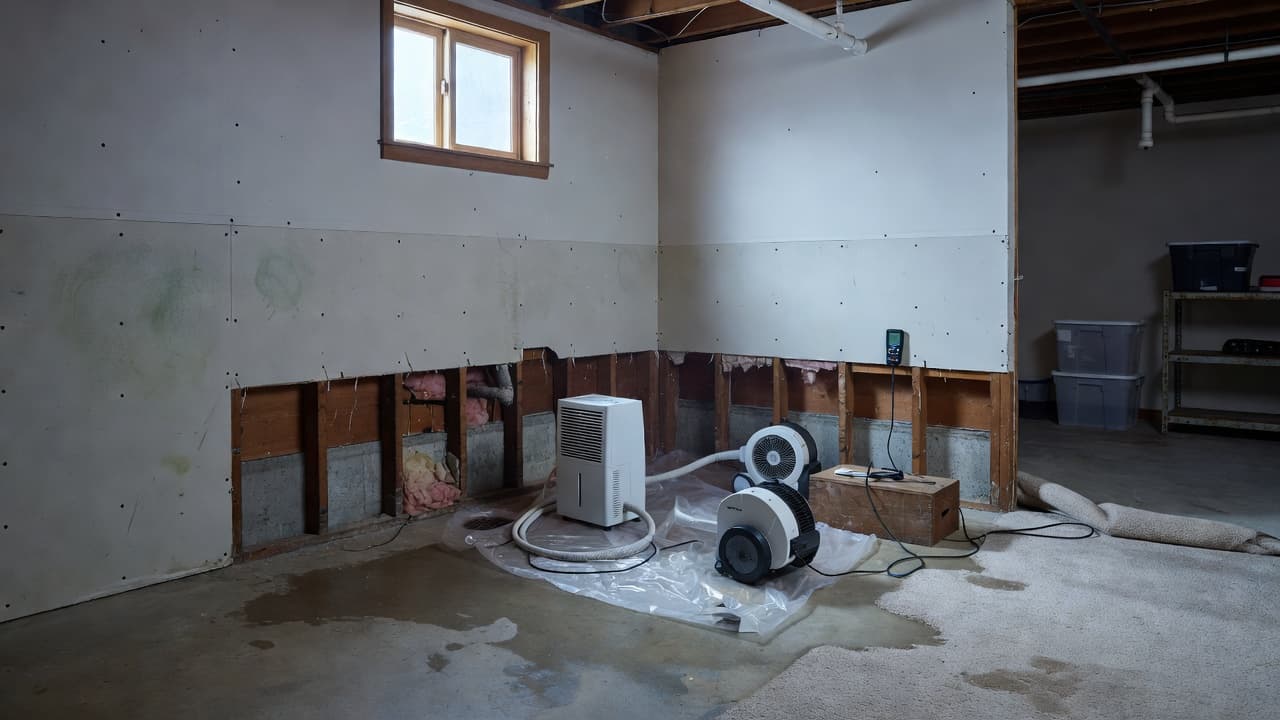
The short answer: sudden water usually opens a path; long-term seepage usually does not
Most standard Pennsylvania homeowners policies (commonly HO-3 special form) do **not** treat mold, fungus, or wet/dry rot as covered perils on their own. Coverage for mold remediation and related repairs typically applies only as an *ensuing loss* from a covered peril—most often sudden and accidental water damage.
That distinction—sudden event versus continuous or repeated seepage—is the deciding factor in the majority of PA water damage insurance claim PA reviews. A burst pipe after a freeze, a ruptured supply line, or rain entering through a storm-damaged roof can create a covered path for both the water damage and resulting mold (subject to deductible, policy language, and often a fungi sublimit). Slow leaks under a sink ignored for weeks, foundation seepage, or chronic humidity generally fall under common exclusions.
The Pennsylvania Insurance Department’s homeowners guide lists mold, fungus, and wet rot among typical exclusions alongside flood, wear-and-tear, and seepage. Policies vary by carrier, endorsements, and the facts of loss. Always read your declarations page and the mold/fungi wording before assuming coverage. This article explains patterns restorers and adjusters see across the state; it is not legal advice or a guarantee for any claim.
Why mold claims are especially common in Pennsylvania homes
Pennsylvania’s humid continental climate, frequent storms, freeze-thaw cycles, snowmelt, and large inventory of older homes with basements and crawlspaces raise mold risk. Indoor humidity often runs high in spring and summer. Groundwater pressure against foundation walls and condensation on cool surfaces are everyday issues in many counties.
Mold can begin colonizing damp materials within roughly 24–48 hours after water intrusion (the timeline widely referenced from EPA guidance and used by restoration professionals). Insurers pay close attention to when the water started, when you first noticed it, and how quickly mitigation began. Delay is one of the most common reasons the mold portion of a claim is limited or denied even when the original water event might have been covered.
Typical sudden triggers that can lead to a covered water-plus-mold path in PA include frozen or burst pipes, sudden appliance failures (washers, dishwashers, water heaters, ice-maker lines), storm-driven roof or window breaches, accidental clean-water plumbing overflows, and some sudden HVAC condensate pan failures. Typical denial paths include continuous seepage (often framed around long-running leaks or patterns of staining), gradual roof or plumbing neglect, foundation/groundwater intrusion, humidity alone, flood/surface water, and sewer or sump backup without the right endorsement.
Sudden and accidental water vs. continuous seepage: how carriers usually draw the line
**Sudden/accidental path (more likely to support mold as ensuing loss):** - Clear event: pipe burst, appliance rupture, storm opening in the building envelope - Relatively short time from water release to discovery and mitigation - Evidence consistent with an acute incident rather than long-term deterioration - Prompt reporting and reasonable steps to stop further damage
**Gradual/seepage path (commonly excluded):** - Slow pinhole leaks, chronic under-sink moisture, ignored gutter/roof issues - Foundation seepage or hydrostatic pressure - Repeated leakage language in the policy (standard on many forms) - Staining patterns, rotted framing, or mold extent that does not match a “just happened” story - Maintenance or wear-and-tear arguments
Gray areas exist—especially hidden leaks discovered behind walls or cabinets. Outcomes often turn on whether a reasonable homeowner “should have known,” prior signs, maintenance history, and professional timeline analysis. Trying to re-label a long-running problem as sudden can create serious claim and fraud issues. Honest documentation of what you knew and when is essential.
Flood (rising or surface water from outside) is generally excluded from homeowners policies and needs a separate flood policy. Rain that enters only because a covered storm damaged the roof or windows is a different analysis. Sewer or drain backup and sump overflow usually require a water backup endorsement; without it, related mold is typically not covered under the base form.
Sublimits, fungi endorsements, and what “covered” often really means
Even when mold follows a covered sudden water peril, many PA policies cap fungi/mold remediation, testing, and tear-out with a sublimit far below dwelling coverage. Industry patterns commonly cited fall in ranges such as $1,000–$10,000 or $5,000–$15,000 per occurrence, though exact numbers depend on the carrier and form. Some policies include limited fungi wording in the base contract; others require or offer a “Limited Fungi, Wet or Dry Rot, or Bacteria” (or similarly named) endorsement that can raise property limits (options sometimes discussed in the $10k / $25k / $50k range) and may carry separate liability sublimits.
Endorsement cost and availability vary; they are not free and not identical across carriers. Sewer/sump backup endorsements are separate products often priced modestly per year in Pennsylvania and are worth confirming if you have a basement or finished lower level.
Practical takeaway: open your policy PDF or declarations and search for “fungi,” “mold,” “wet or dry rot,” and “water backup.” Note any dollar caps before you authorize large remediation scopes. If limits look thin relative to your home’s risk (finished basement, prior leaks, older plumbing), talk to your agent about options—ideally before the next emergency.
Immediate safety and category basics (clean, gray, and black water)
Before insurance paperwork, stabilize the scene safely: - Stop the source if you can do so without electrical or structural risk (main water shutoff, appliance valves). - Avoid standing water near electricity; shut power at the breaker only if safe. - Do not enter spaces with suspected structural compromise or heavy sewage. - Keep kids, pets, and vulnerable occupants away from wet or musty areas.
Restoration professionals follow IICRC S500 water categories: - **Category 1 (clean water):** sanitary sources such as supply lines or some storm entry. Can degrade if left standing or if it contacts contaminants. - **Category 2 (gray water):** significant contamination potential (many appliance overflows, toilet overflow without feces, some sump discharges). Needs PPE and specialized cleaning. - **Category 3 (black water):** grossly contaminated water (sewage, many flood/groundwater situations, toilet with feces). Highest hazard; containment, specialized disposal, and limited salvageability are common.
Category can worsen over time. That affects methods, what can be saved, and the documentation insurers expect. Large or hidden mold growth should not be casually disturbed—spore spread and incomplete drying create bigger problems. Areas beyond small, easily cleaned spots are generally better handled by trained crews with moisture meters, containment, and HEPA filtration.
If you are dealing with active water or sewage right now, RestorePA can help qualify the emergency and connect you so a local contractor calls you: Get help.
Documentation that actually helps a water damage insurance claim in PA
Strong claims are built on clear cause, timeline, and mitigation—not on cleaning everything before photos.
**Before major disturbance:** - Wide and close-up photos/videos of the source, water extent, affected rooms, materials, and contents - Notes on date/time first noticed, weather or freeze events, and what you did immediately - Avoid throwing out damaged items or gutting walls until the loss is documented (unless needed for safety)
**During mitigation:** - Keep receipts for emergency extraction, equipment, and temporary repairs - Ask the restoration company for moisture mapping, drying logs, and a written scope tied to the cause - Save all insurer emails, claim numbers, and adjuster names
**Ongoing:** - Fix the underlying defect permanently and document the repair - Maintain reasonable heat in winter (vacancy/freeze conditions appear in many policies) - Routine maintenance records (roof, gutters, plumbing) help if “neglect” is later alleged
Under Pennsylvania unfair claims settlement practice rules referenced by many restorers (including expectations around timely acknowledgment), open the claim promptly and get a claim number. You generally retain the right to choose your own restoration contractor; insurer “preferred” lists are recommendations, not mandates. For service overviews, see water damage, mold remediation, and sewage backup.
Practical first steps homeowners often miss
- Make the area safe and stop active flow if possible.
- Document thoroughly *before* aggressive demo or discarding contents.
- Mitigate promptly—extract standing water when safe, move belongings, start drying with fans/dehumidifiers as appropriate. You typically have a duty to prevent further damage; waiting days for an adjuster visit before any extraction can hurt both the home and the mold portion of the claim.
- Call your insurer to open the claim **and** contact a qualified water/mold restoration professional the same day when possible.
- Identify and permanently repair the moisture source.
- Review mold/fungi sublimits and any water-backup endorsement before authorizing large scopes.
- For visible or musty mold beyond a tiny area, avoid heavy DIY scraping or bleaching that spreads contamination; pros use containment and controlled methods.
- If the carrier labels the loss “continuous seepage,” assemble counter-evidence carefully: prior inspection photos, maintenance logs, and professional opinions on timeline. Larger disputes sometimes involve a public adjuster—fact-specific decision.
RestorePA qualifies Pennsylvania homeowners with water, mold, or sewage emergencies and routes leads so local contractors call you—not a DIY directory. Start at /get-help or browse statewide resources via /cities/statewide and the /blog.
DIY vs. professional boundary—and when to get help fast
Small, clean-water incidents on non-porous surfaces that you can fully dry within a day may be manageable with careful documentation and consumer-grade drying—if the source is fixed and no musty odor or hidden cavities are involved. Once water enters walls, flooring systems, HVAC, or insulation—or once Category 2/3 contamination or visible mold appears—the risk of incomplete drying, cross-contamination, and claim disputes rises sharply.
Professionals bring moisture meters, thermal imaging where appropriate, controlled demolition, antimicrobial application per standards, and written logs adjusters recognize. DIY demolition often destroys evidence insurers want and can push spores into clean rooms.
Get help quickly when: - Water has been present near or past the 24–48 hour window - Sewage, flooding, or unknown water is involved - You smell mustiness or see growth across larger surfaces - The loss may involve structural materials or multiple rooms - You need claim-ready documentation and drying records
Cost ranges discussed in PA restoration education materials vary widely by size and hidden damage (smaller mold jobs sometimes discussed roughly in the hundreds to several thousand dollars; complex water losses higher). Your actual numbers depend on scope—not averages. Focus on stopping damage early; that usually costs less than delayed secondary mold.
How to talk to your insurer and agent without creating avoidable problems
Stick to facts: when you discovered the water, what you believe failed, what you did to mitigate, and that you are documenting and drying. Do not speculate about “it’s been leaking for months” if you do not know. Do not hide prior issues either—inconsistencies damage credibility.
Ask pointed questions: - Is the cause being accepted as sudden and accidental water damage? - What is my deductible and any fungi/mold sublimit? - Is a water backup endorsement on the policy if sewage/sump is involved? - What documentation do you need from the restoration contractor? - Are there temporary repair or mitigation allowances while the claim is open?
If mold coverage is limited, clarify what portion of tear-out, cleaning, and drying falls under water damage versus the fungi cap. Keep communications in writing when possible. If you disagree with a gradual-seepage denial, respond with organized evidence rather than arguments alone.
Again: coverage always depends on your specific policy language, the cause, your mitigation, and the facts. Patterns described here reflect common PA and Northeast carrier approaches seen across restoration and insurance education sources—not a promise from any carrier.
Frequently asked questions
Does homeowners insurance cover mold from a burst pipe in Pennsylvania?
Often yes as an ensuing loss if the burst is a sudden and accidental covered water event, you mitigate promptly, and the policy’s other conditions are met. Expect a possible fungi/mold sublimit even when the water damage itself is covered. Document the freeze or failure, take photos before major demo, and open the claim quickly.
What if mold is from a slow leak I just discovered behind a wall?
Carriers frequently deny these as continuous or repeated seepage or as maintenance-related, especially if staining, rot, or mold extent suggests a long timeline. Outcomes are fact-specific. Prior inspection photos, proof you had no reason to know, and professional moisture/timeline analysis sometimes help—but there is no guarantee. Honest reporting matters.
How much mold coverage do PA policies typically include, and can I buy more?
Many policies apply relatively low fungi/mold sublimits (commonly discussed in roughly the $1,000–$15,000 range depending on form) even after a covered water peril. A limited fungi/mold endorsement from your carrier may raise those caps. Check your declarations and ask your agent about options and price before the next loss.
Is mold from basement seepage or humidity covered?
Generally no. Foundation seepage, groundwater, hydrostatic pressure, and humidity or condensation alone are standard exclusion territory on homeowners forms. Addressing grading, drainage, sump systems, and dehumidification is a maintenance issue, not typically an insurance payout path.
Do I need a separate endorsement for sewer backup mold, and how fast must I act?
Sewer/drain backup and sump overflow usually need a water backup endorsement; without it, related damage and mold are commonly excluded. Flood-related mold is a separate flood-policy question. Act immediately: mold can start within 24–48 hours, and delayed mitigation is a frequent reason insurers limit or deny the mold portion of a claim.