
Category 1 vs 2 vs 3 Water Damage Explained for PA Basements
Sewage and black water turn many Pennsylvania basement floods into Category 3 emergencies. Learn what each IICRC category means, why older PA homes face higher backup risk, and the safe next steps that protect your family and claim.
August 5, 2026 · sewage
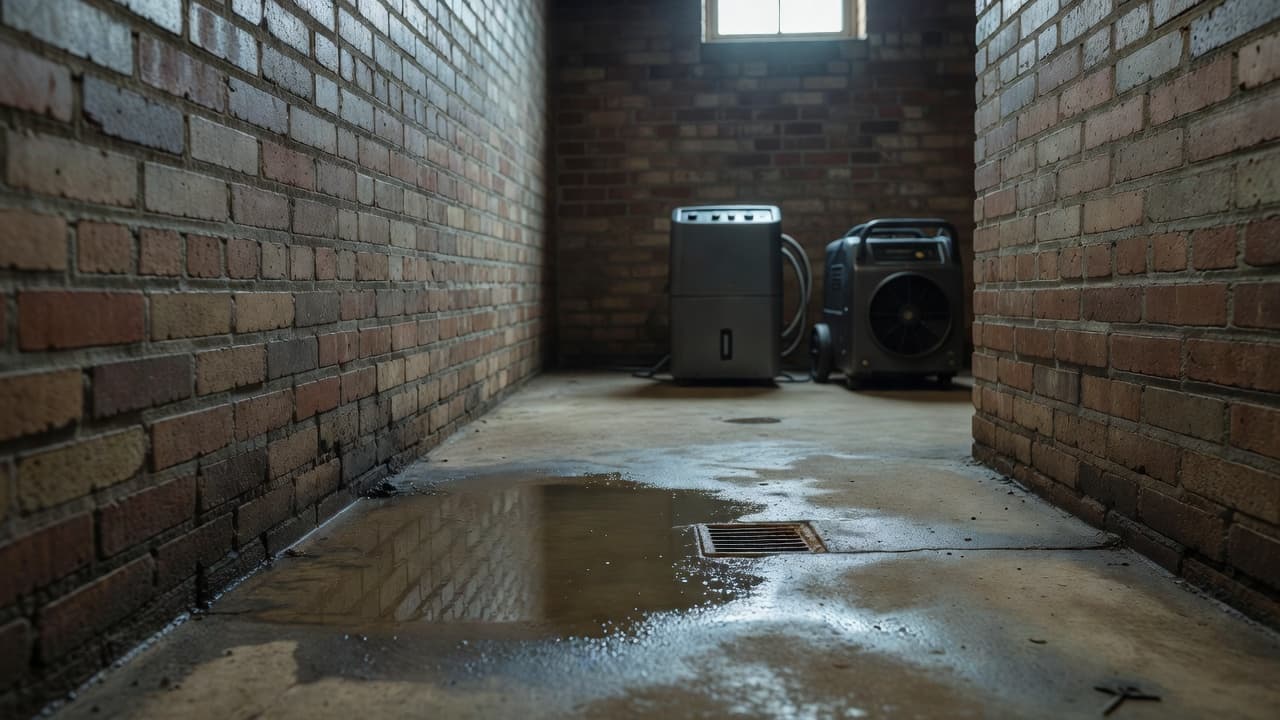
Why basement water categories matter in Pennsylvania homes
When water appears in a Pennsylvania basement, the first question is rarely “how much.” It is “what kind.” The IICRC S500 standard sorts water losses into Category 1 (clean), Category 2 (gray), and Category 3 (black) based on contamination level and health risk—not color alone. That classification drives every decision that follows: whether you can stay in the space, which materials can be saved, what PPE and containment are required, and how insurers typically view the loss.
Pennsylvania’s older housing stock makes the distinction especially urgent. Many homes built before the 1980s still rely on clay tile, cast iron, or aging Orangeburg sewer laterals. These lines crack, sag, rust from the inside, and invite tree roots. Combined sewer systems in older urban and older suburban neighborhoods can push sewage back through floor drains during heavy rain. Basements sit at the lowest point, so backups and seepage show up there first.
Category 3 water damage basement events—sewage, toilet backflows beyond the trap, and outdoor floodwater that has contacted ground contaminants—carry pathogens and require professional biohazard-level response. Guessing wrong or delaying can turn a manageable extraction into widespread contamination and secondary mold. Understanding the three categories helps you act safely and document the loss correctly from the first hour.
Category 1 clean water: sanitary sources that can still go wrong
Category 1 water starts from a sanitary source and does not initially pose substantial risk from skin contact or incidental ingestion. Common basement-relevant examples include a broken supply line to a water heater or washing machine, a failed appliance supply hose, a tub or sink overflow that has not mixed with soils or chemicals, melting ice without contaminants, or rainwater that has not yet contacted the ground.
In a clean, unfinished PA basement this may look like clear water around a burst pipe. The key word is “initially.” Category 1 can deteriorate. If the water sits, picks up soil, animal droppings, residual laundry products, or dust and organic matter on the floor, or if temperature and humidity allow microbial growth, it can escalate to Category 2 or even Category 3. Odors are often an early warning that the loss is no longer clean.
Time matters in Northeast basements. Cool masonry can slow evaporation while humidity stays high. EPA guidance notes mold can begin growing in moist conditions within roughly 24–48 hours. Even a “clean” supply-line break needs fast extraction, drying, and monitoring. Professionals still verify the source and what the water has contacted before declaring it Category 1 for the duration of the job.
Category 2 gray water: significant contamination and illness risk
Category 2 water contains significant contamination and can cause discomfort or illness if people contact or ingest it. It may hold elevated microorganisms, nutrients, or organic and inorganic matter. Typical sources include dishwasher or washing-machine discharge, toilet bowl overflows on the room side of the trap that contain urine but no feces, hydrostatic seepage, broken aquariums, and many sump-pump failures that bring in groundwater mixed with soil.
In Pennsylvania basements, sump failures and foundation seepage are frequent gray-water starters. Hydrostatic pressure forces groundwater through cracks or porous block; the water is not sewage, yet it is far from potable and often carries silt and microbes from the soil. Porous materials—carpet, pad, baseboard drywall, and insulation—can absorb contaminants and may need partial or full removal plus disinfection of remaining surfaces.
Category 2 can also worsen. Stagnation, warmth, and organic load allow bacteria and mold to amplify. What began as discharge from a laundry tub can become a black-water situation if ignored. Restoration typically includes extraction, cleaning, EPA-registered disinfectants where appropriate, controlled drying, and careful evaluation of what can be salvaged. DIY shop-vac attempts often aerosolize contaminants and push moisture deeper into cavities.
Category 3 water damage basement: black water and sewage realities
Category 3 water is grossly contaminated. It can contain pathogenic or toxigenic agents and cause severe health effects if contacted or consumed. Classic examples are sewage; waste-line or toilet backflows that originate beyond any trap (visible feces are not required); flooding from rivers, streams, or ground surface water; wind-driven rain that has picked up outdoor contaminants; and any indoor entry of water whose outdoor or sanitary history cannot be ruled clean. Industry practice treats most floodwater as Category 3 for that reason.
A sewage backup through a basement floor drain after root intrusion in a clay lateral is textbook Category 3 water damage basement work. So is a main-line backup forced by a combined sewer surcharge during a storm. These events may introduce bacteria such as E. coli and Salmonella, viruses, parasites, and sometimes chemicals or runoff. Infants, older adults, immunocompromised people, and pets face higher risk and should be kept out of the area.
Porous materials generally cannot be reliably cleaned once saturated with black water. Carpet, pad, insulation, and affected drywall are typically removed and disposed of as contaminated waste. Restoration follows strict protocols: full PPE, containment with plastic and negative air or HEPA filtration, extraction, “flood cuts” on drywall above the water line as needed, thorough disinfection, structural drying, and verification. Appearance is never the decider—source and contact history are. For coordinated help with sewage losses, see RestorePA sewage backup and water damage services.
Older PA homes: clay, cast iron, and why backups hit basements first
Many Pennsylvania cities and older suburbs still have homes whose sewer laterals date from the early-to-mid 20th century. Clay (terra cotta) tile joints separate or crack. Cast iron corrodes internally and loses wall thickness. Orangeburg fiber pipe can deform and collapse. Tree roots seek the moisture and nutrients at joints, forming mats that catch paper and grease. House settlement and poor original slope create bellies where solids settle.
When the lateral or municipal main cannot carry flow, the path of least resistance is often the lowest fixture: basement floor drains, lower-level showers, or laundry sinks. Homeowners sometimes assume a sump pump will stop the problem. It will not. Sumps manage groundwater; they do not block sewage rising through sanitary drains. Improper sump discharge into the sanitary sewer is illegal in many places and can worsen neighborhood backup risk.
Combined sewer systems in older Northeast communities add another layer: heavy rain fills shared pipes and can reverse flow into unprotected homes. Backwater (backflow) valves, camera inspections of aging laterals, and responsible fixture use (no wipes, grease, or flushable products) reduce—but do not eliminate—Category 3 events. Knowing your pipe material and whether your neighborhood has combined sewers helps you plan prevention before the next storm.
Immediate safety steps when you suspect black water
Life safety comes first. Keep people and pets out of the affected zone. Do not walk through standing water that may be sewage or outdoor floodwater. Avoid skin contact and inhalation of aerosols. If electrical outlets, panels, or appliances are wet or underwater, do not enter; shut power off only from a dry, safe location or wait for qualified help.
Do not run household fans, the HVAC system, or a shop vac on suspected Category 2 or 3 water. Those tools spread contaminants and drive moisture into wall cavities. Household bleach alone is not a solution; organic matter can deactivate it, and improper use creates fumes without solving hidden saturation. Stop the source only if it is clearly safe—for example, closing a supply valve on a clean-water break. You cannot “valve off” a municipal sewer backup from inside the house in most cases.
Evacuate high-risk occupants. Document from the doorway with photos and video before anything is moved. Then call IICRC-trained water and sewage restoration professionals who arrive with containment and PPE protocols. Plumbers may clear a blockage later; they are not a substitute for full Category 3 mitigation. If mold is already visible or musty odors develop, specialized remediation aligned with IICRC S520 may also be required—see mold remediation.
Documentation, insurance patterns, and what PA homeowners often miss
Insurers and adjusters rely on clear evidence. Before major disturbance, capture wide shots and close-ups of the water, any visible source, affected finishes, and timestamps. Note when you discovered the loss and what you observed (odor, color, floor drain activity, recent storms). Keep receipts for emergency services. Prompt notice to your carrier matters.
General patterns—not legal advice—show that standard homeowners policies often cover sudden and accidental discharge from internal plumbing (many Category 1 supply breaks). Common exclusions include flood and surface water (separate flood insurance), gradual seepage or wear-and-tear, and sewer or drain backup and sump overflow. The Pennsylvania Insurance Department has publicly noted that most standard policies do not cover sewer/drain backup or sump overflow without a specific endorsement. Category 3 sewage backups frequently fall under that backup exclusion unless you carry a water-backup or sewer-backup rider.
Ask your agent exactly what endorsements you have and what the limits and deductibles are. Professional reports that identify source and category support the claim file. Restoration costs rise with demolition, proper disposal, and disinfection; incomplete DIY work can complicate both health outcomes and coverage discussions. Policies differ by carrier and wording—review your declarations page rather than assuming coverage.
DIY boundary vs professional Category 3 cleanup
For true Category 1 losses caught early in unfinished space, limited homeowner action (stopping a supply valve, removing small amounts of clear water with proper equipment) sometimes bridges the gap until pros arrive. Once water is gray or black—or has sat long enough to change character—the boundary shifts hard. Category 3 work requires trained technicians, appropriate respirators and protective suits, containment barriers, negative air or HEPA scrubbing, controlled demolition of unsalvageable porous materials, registered disinfectants, moisture metering, and documented drying.
Homeowners cannot reliably clean inside wall cavities, under slabs, or within insulation. Missed moisture becomes mold. Improper disposal of sewage-soaked materials can violate local rules. Using the wrong cleaners or mixing chemicals adds hazards. Professionals determine final category on site; complex cases may involve an Indoor Environmental Professional. Presence of asbestos, lead paint, or existing mold does not change the water category but does change handling methods.
If you are unsure whether basement water is Category 2 or Category 3, treat it as the higher hazard until assessed. RestorePA qualifies Pennsylvania homeowners with water, mold, and sewage emergencies and routes you so a local contractor can call you directly—start at get help. Delaying professional mitigation is the most common way categories escalate and costs grow.
Prevention upgrades that reduce Category 3 risk in PA basements
After a backup, prevention deserves equal attention. Backwater or backflow valves on the sewer lateral can stop main-line surcharges from entering the home; installation and maintenance should follow local code and a qualified plumber’s assessment. Camera inspection of clay, cast iron, or Orangeburg laterals finds roots, bellies, and cracks before the next failure. In root-prone yards, scheduled maintenance beats emergency extraction.
Maintain gutters and extend downspouts so roof water discharges well away from the foundation. Grade soil to slope away from walls. Test sump pumps regularly, add a battery backup and high-water alarm, and confirm the discharge does not illegally enter the sanitary sewer. Avoid flushing wipes, hygiene products, and grease. During heavy rain, temporary plug devices for basement drains are sometimes used only with clear manufacturer instructions and never as a substitute for proper valves.
If reconstruction follows a Category 3 loss, consider moisture-resistant materials in vulnerable zones and improved drainage details. Keep professional drying and antimicrobial recommendations from the mitigation phase; closing walls over wet framing invites a mold callback. For regional context and further reading, browse the RestorePA blog and statewide resources via cities. Fast, correct category identification remains the foundation of every successful basement recovery.
Frequently asked questions
What makes basement water Category 3 black water, and how is sewage backup different from sump failure?
Category 3 means the water is grossly contaminated with pathogens or other harmful agents—sewage, toilet backflows from beyond the trap, and most outdoor flood or surface water. Sewage backup through drains is Category 3. Sump failure or hydrostatic foundation seepage often begins as Category 2 (gray) groundwater mixed with soil, but either can worsen with time or if it mixes with sewage. A professional on-site assessment confirms the category; color alone is not enough.
Can Category 1 water from a burst pipe become Category 3 in a PA basement?
Yes. Clean supply-line water can pick up contaminants from floors, drains, or stored items, or support microbial growth if it sits in warm, humid conditions. Escalation toward Category 2 or 3 is influenced by time, temperature, and what the water contacts—often discussed in the 48–72 hour range under poor conditions, though mold can start sooner. Fast extraction and drying limit that risk.
Does standard Pennsylvania homeowners insurance cover Category 3 sewage backup?
Often not without a separate water-backup or sewer-backup endorsement. Many standard policies exclude sewer/drain backup and sump overflow, and flood/surface water needs separate flood coverage. Sudden internal plumbing failures are more commonly considered. Check your declarations and agent for exact wording, limits, and deductibles—this is general education, not advice on your policy.
After Category 3 basement damage, what usually must be removed versus cleaned?
Porous materials that absorbed black water—carpet, pad, insulation, and often drywall above the water line—are typically removed and disposed of as contaminated waste because pathogens can remain in the material. Non-porous surfaces may be cleaned and disinfected after extraction. Structural drying and verification follow. DIY disinfection of porous items is not considered reliable for Category 3.
What prevention steps help older PA homes with aging sewer lines?
Camera-inspect clay, cast iron, or Orangeburg laterals; install and maintain backwater valves where appropriate; keep roots and grease out of the line; maintain gutters and grading; equip sumps with backup power and alarms without illegal sanitary discharge; and avoid flushable wipes. These steps reduce—but do not erase—Category 3 backup risk in older housing stock.