
Burst Pipe Philadelphia Winter: Freeze-Thaw Prevention and First-Hour Steps for Rowhomes
Philadelphia rowhomes face high freeze-thaw burst risk each winter. Learn Main Line and city-block prevention, the exact first-hour checklist after a break, insurance documentation, and when to call pros before mold starts.
August 5, 2026 · seasonal
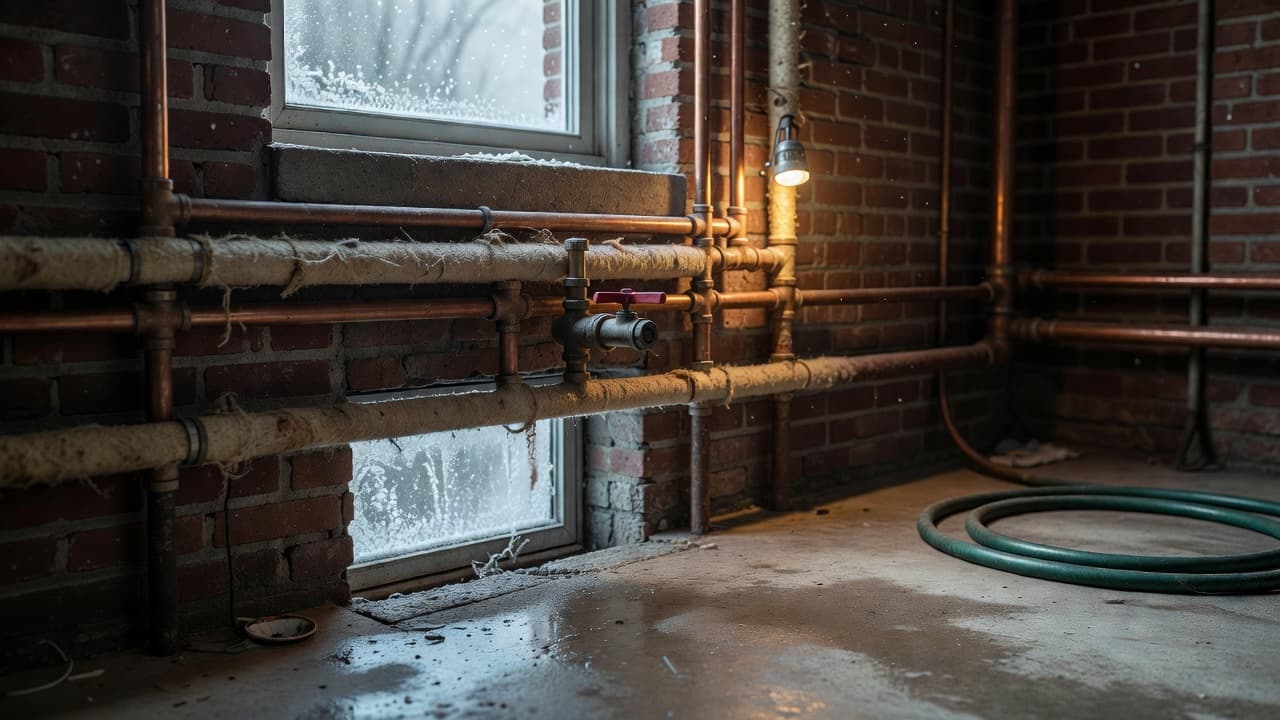
Why Freeze-Thaw Burst Pipes Hit Philadelphia Rowhomes Hard
When temperatures drop below 32°F and stay there—especially for two or more days—water inside pipes expands roughly 9% as it freezes. That expansion builds pressure until the pipe cracks or bursts, often at elbows, fittings, or thin spots. The real flood usually arrives during the thaw, when ice turns back to water and pours into basements, wall cavities, and lower floors.
Philadelphia’s older rowhomes are especially exposed. Many have supply lines running through unheated basements, crawlspaces, exterior kitchen or bath walls, or near drafty windows and sill plates. End-of-row homes lose heat on more sides than mid-block units. Main Line and city-block properties built decades ago often lack modern insulation around irregular pipe runs. Vacant or lightly heated houses sit at the highest risk.
Pennsylvania has seen tens of millions in frozen- and burst-pipe claims in recent winters, with average payouts frequently cited above $30,000 nationally and in regional data. One burst can release hundreds of gallons in a short time. Water also travels through party walls, so a neighbor’s problem can become yours. Freeze-thaw cycles widen tiny foundation and masonry cracks, letting groundwater seep in even when no pipe fails. That combination—sudden plumbing failure plus delayed seepage—makes winter water damage a recurring seasonal threat across the city and nearby suburbs.
Understanding the mechanism helps you act early. Sustained cold, air leaks, and pipes in cold zones are the usual culprits. Addressing those before the next multi-day freeze is far cheaper than extraction, drying, and mold remediation after the fact.
How Freeze-Thaw Damage Spreads in City Blocks and Main Line Homes
Once a pipe opens, water follows gravity and the path of least resistance. In a typical Philly rowhome that means basement floors first, then up into finished lower levels, under cabinets, and into shared wall cavities. Insulation, plaster-and-lath, and older flooring hold moisture long after the visible puddle is gone. Capillary action can pull water higher into walls days later.
Party walls create a special risk: water can migrate sideways into the adjoining unit before anyone notices. Outdoor hose bibs, meters, and poorly protected supply lines freeze early. After the thaw, groundwater pressure against foundation walls often rises; seepage through those widened microcracks can look like a mysterious basement wet spot with no obvious pipe break.
Secondary hazards compound the mess. Standing water near outlets or the electrical panel creates shock risk. Warped flooring, swollen doors, and saturated subfloors appear quickly. If waste lines freeze or backups occur during peak demand, clean supply water can mix with contaminated sources and change the cleanup category. Mold spores find the damp materials within 24–48 hours under the right conditions, turning a plumbing event into a longer remediation project.
The pattern is consistent across older Pennsylvania housing stock: the freeze creates the weak point, the thaw releases the water, and hidden moisture keeps working after the floor looks dry. Fast containment and professional drying are what keep a single burst from becoming multi-room reconstruction.
Prevention That Works for Exterior-Wall Runs and Drafty Basements
Start before the first hard freeze. Locate and label the main shutoff valve—usually near the water meter or where the line enters the basement—and practice turning it. Know the house-side valve so you can stop flow without waiting for a utility crew.
Insulate exposed pipes with foam sleeves in basements, under sinks on exterior walls, and near meters. Heat tape can help high-risk stretches if installed and powered correctly. Seal air leaks around pipe penetrations, windows, sill plates, and exterior walls with caulk, weatherstripping, or plastic sheeting. Keep the meter area above roughly 40°F when possible. Disconnect and drain outdoor hoses; shut the indoor valves that feed hose bibs and leave the outdoor faucets open so residual water can expand without splitting the fixture.
During cold snaps (forecast lows at or below 32°F, especially multi-day events): - Let vulnerable faucets drip a pencil-thin stream. - Open cabinet doors under sinks so warmer room air reaches the pipes. - Hold a steady thermostat setting; avoid deep overnight setbacks. - Check flow before bed and on waking—reduced pressure can signal ice forming.
Vacant or intermittently occupied homes need full winterization or reliable heat plus someone checking regularly. Repair broken windows and cover cold spots near plumbing. An energy audit can reveal heat-loss paths that ordinary foam sleeves miss. End-of-row owners should pay extra attention to the exposed side walls. These steps will not eliminate every risk, but they dramatically lower the odds of a classic burst pipe Philadelphia winter claim.
First-Hour Checklist After a Break or Suspected Freeze
Speed and safety matter more than perfect cleanup in the first sixty minutes.
- Shut off the main water supply at the house-side valve. Open faucets to relieve pressure and drain remaining water from the lines.
- Protect yourself electrically. If water is near outlets, switches, or the panel—or if you must walk through standing water—shut off power to the affected circuits or the whole house at the breaker only if you can do so safely from a dry location. Do not stand in water while touching electrical devices.
- Document everything before major moving or disposal. Take wide and close photos and short videos of the pipe (if visible), water path, affected rooms, and damaged contents. Note the time you discovered the problem and the outdoor temperature conditions.
- Limit further spread. Move valuables and furniture out of the water path. Use towels or buckets only for small, clearly clean water if it is safe. Do not throw away damaged items yet; the adjuster may need to see them.
- Call for help in parallel: a licensed plumber to stop and repair the break, and a water-damage restoration team for extraction and structural drying. Notify your insurance carrier promptly and keep every receipt for mitigation supplies or temporary housing.
If pipes are frozen but have not yet burst, apply gentle heat only—hair dryer, heating pad, or warm towels. Keep the faucet open. Never use an open flame or torch. After thawing, inspect carefully for hairline cracks that may leak later.
Common mistakes in this window include leaving power on in wet areas, delaying photos, starting demolition before the adjuster sees the scene, and assuming a “small” amount of water is harmless. The mold clock starts as soon as materials stay wet.
Water Categories, Mold Timeline, and Why Category Matters
Most freeze bursts begin as Category 1—clean water from a sanitary supply line. If that water is extracted and the structure dried quickly, many materials can be saved. Category 1 can degrade into Category 2 (gray water) after sitting 24–48 hours, mixing with household contaminants, or contacting unclean surfaces. Category 3 (black water) includes sewage, toilet overflow with waste, or outdoor/groundwater intrusion that carries soil pathogens. Post-thaw foundation seepage is frequently handled as Category 3 because of those soil contaminants.
IICRC S500 guidance and standard restoration practice drive the response: higher categories require more aggressive removal of porous materials, stricter PPE, containment, and antimicrobial protocols. Homeowners should not decide the final category alone; trained technicians use moisture meters, visual inspection, and source history.
Mold can begin to germinate in 24–48 hours on wet drywall, insulation, carpet, and wood. Visible growth often appears after 48–72 hours. Older Philly homes with plaster, limited ventilation, or already-humid basements can show musty odors or staining even sooner in hidden cavities. Bleach on porous surfaces is not a reliable fix and can worsen some situations. Professional drying aims to get materials below microbial growth thresholds inside that critical first one to two days.
If sewage or groundwater is involved, treat the event as potentially Category 3 from the start and keep children and pets away. For guidance on next steps after any winter water event, see RestorePA’s water damage service overview at /services/water-damage and mold information at /services/mold-remediation.
Insurance Patterns: Sudden Burst vs. Neglect or Seepage
Standard homeowners policies (commonly HO-3 forms) typically cover sudden and accidental discharge from plumbing, including many frozen-pipe bursts, along with resulting damage to the structure and contents. Additional living expenses may apply if the home becomes uninhabitable. The cost to repair or replace the broken pipe itself is often excluded or limited. Gradual seepage, long-term leaks, wear-and-tear, and damage from failure to maintain heat or winterize a vacant property are frequently denied or restricted. Flood and rising groundwater usually require separate coverage.
Insurers look for “reasonable care”: heat left on at a sensible level, basic insulation or drip measures during known freezes, and prompt mitigation after discovery. Prompt reporting, clear photos, and receipts for emergency extraction strengthen a claim. Temporary mitigation is generally expected and often reimbursable; permanent repairs normally wait for the adjuster. Public adjusters sometimes assist on complex or disputed losses, but that is a personal choice.
This is general education, not legal or policy advice. Read your own declarations and exclusions, and speak with your agent or carrier. Document the sudden nature of the event, the temperature conditions, and the steps you took to limit damage. Failure to mitigate can reduce the payout even when the burst itself is covered. For local winter water-damage context, RestorePA maintains city resources at /cities/philadelphia and practical articles at /blog.
DIY Boundary vs. When to Call Restoration Pros
Homeowners can reasonably handle very small, confirmed Category 1 incidents that are caught immediately, fully accessible, and limited to a few square feet of hard surface—provided electricity is safe, the leak is stopped, and drying can be completed the same day with fans and a dehumidifier while monitoring moisture. Everything else benefits from professional equipment and assessment.
Call pros when: - Water has entered walls, ceilings, insulation, or multiple rooms. - The source may involve sewage, groundwater, or an unknown mix. - Standing water remains after you shut the supply off. - You smell mustiness or see staining more than a day later. - The home is a rowhome with party-wall exposure or finished basement living space. - Anyone in the household has respiratory sensitivities.
Restoration teams bring truck-mounted or high-volume extraction, commercial air movers, low-grain dehumidifiers, moisture meters, thermal imaging, and category-appropriate cleaning. They also produce the drying logs many insurers expect. Trying to “wait and see” past the 24–48 hour mold window often turns a straightforward dry-out into larger material removal.
A licensed plumber should address the break itself. Restoration handles the water that already escaped. If you need coordinated help after a burst pipe Philadelphia winter event, start at /get-help so a local contractor can contact you directly rather than leaving you to cold-call directories while water spreads.
After the First Hour: Drying, Contents, and Neighbor Checks
Once the water is stopped and the scene is documented, the focus shifts to complete extraction and structural drying. Professionals remove standing water, then set air movers and dehumidifiers to pull moisture from framing, subfloors, and cavities. Hidden wet spots behind baseboards or under cabinets are common in rowhomes; moisture meters find what eyes miss. Porous materials that cannot be dried in place are removed and disposed of according to the water category.
Contents may need pack-out to a dry environment. Keep an inventory with photos. In shared-wall buildings, politely check with neighbors—water can travel farther than the original unit. Continue ventilation only if electrical conditions are safe and outdoor humidity is not making indoor conditions worse.
Watch for secondary signs over the following days: new musty odors, soft drywall, cupping floors, or condensation on windows. Any of those warrant a return visit with meters. If foundation seepage appeared after the thaw without a clear pipe break, treat it seriously; soil-laden water carries different risks than a fresh supply-line burst and may need sewage-backup level protocols—see /services/sewage-backup for related guidance.
Stay in contact with your insurer, save all invoices, and avoid permanent reconstruction until the adjuster has inspected or given written go-ahead. Thorough drying inside the first two days is still the single best way to limit mold growth and claim complications.
Putting It Together for the Next Cold Snap
Philadelphia winters reliably produce freeze-thaw cycles. Older rowhomes on city blocks and many Main Line-adjacent streets combine uninsulated pipe runs, exterior-wall plumbing, and party-wall construction that magnify a single break. Prevention—labeled shutoffs, pipe insulation, draft sealing, steady heat, and drip strategies—cuts the odds dramatically. When a break still happens, the first hour is about shutting water, protecting electricity, documenting thoroughly, containing spread, and calling both a plumber and a restoration team before the mold window closes.
Category assessment, hidden moisture, and insurance documentation separate a contained incident from a months-long project. Groundwater seepage after thaw deserves the same urgency as a visible burst. None of this requires panic; it requires a short list of prepared actions and the willingness to bring in help when water has left the pipe.
Bookmark your main shutoff, walk the basement before the next forecast below 32°F, and keep RestorePA’s local path handy at /cities/philadelphia and /get-help. Calm, early steps protect both the house and the claim.
Frequently asked questions
How do I know if my Philly rowhome pipes are at high risk, and what is the cheapest prevention step for exterior-wall runs?
High-risk signs include pipes in unheated basements or exterior walls, drafty windows or sill plates nearby, end-of-row exposure, and any history of low flow on very cold mornings. The cheapest high-impact step is sealing air leaks around the pipe run and opening cabinet doors during cold snaps so room air can reach the plumbing; add foam sleeves on any exposed sections you can reach.
My pipes froze overnight but have not burst—what is the safe thawing process?
Open the faucet, then apply only gentle heat: a hair dryer, heating pad, or warm towels. Work from the faucet back toward the frozen section. Never use a torch or open flame. Once water flows, inspect the entire run for cracks or drips. If you cannot locate the freeze, water stains appear, or pressure stays low, call a plumber rather than forcing heat into walls.
After a burst pipe in a Philadelphia winter, will insurance cover the water damage and mold?
Many HO-3 policies cover sudden and accidental discharge and the resulting water damage when reasonable heat and care were maintained. Mold that develops because of the covered water event may be addressed within policy limits, but gradual seepage, neglect (heat off, vacant home not winterized), and the pipe repair itself are often limited or excluded. Document immediately, mitigate promptly, and review your specific policy with the carrier—this is not legal advice.
Water is in my basement after a thaw but I see no burst pipe—could it be freeze-thaw foundation seepage?
Yes. Freeze-thaw widens microcracks in foundations and masonry; melting snow and rising groundwater then push moisture indoors. That water often carries soil contaminants and is commonly treated like Category 3. Stop what you can, keep people and pets out of the water, document, and have the source and category assessed rather than assuming it is clean supply water.
What is the exact first-hour checklist and when is DIY no longer enough?
Shut the main water, make electricity safe, photograph everything, contain spread without discarding items, and call a plumber plus restoration help while notifying insurance. DIY is only realistic for tiny, immediate, confirmed clean-water incidents on hard surfaces that you can fully dry the same day. Wall involvement, sewage or groundwater suspicion, large volume, or any delay past several hours means professionals should take over before mold establishes.